Roofs That Shed Water Without Leaking
Roofing in Harrisburg for homes with aging shingles and vulnerable flashing
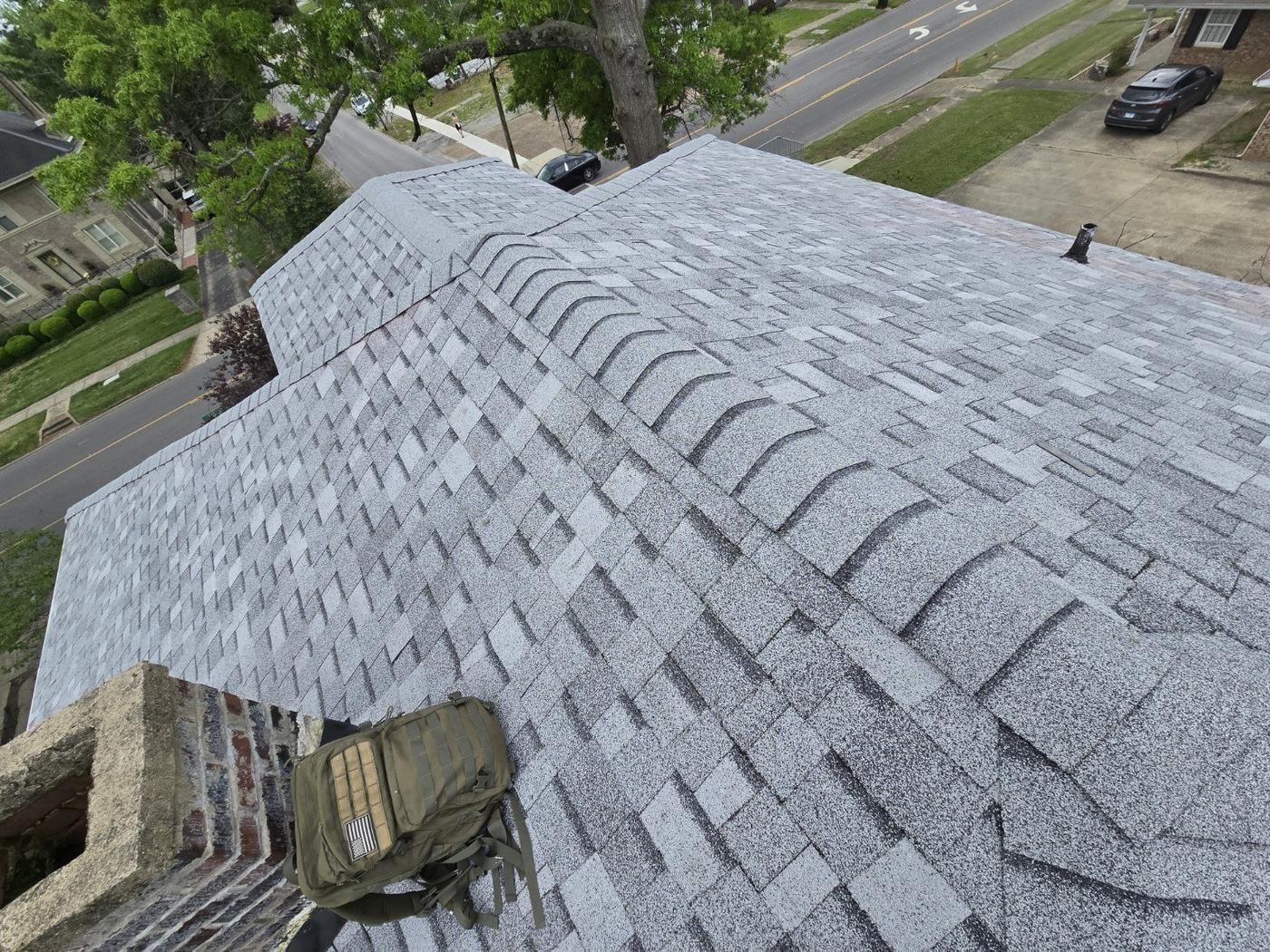
Shingles that curl at the edges no longer seal against wind-driven rain. Missing granules expose the asphalt mat to UV degradation, and improperly installed flashing allows water to reach roof decking and interior spaces. Roofing work corrects these failures by removing compromised materials, repairing damaged decking, and installing new shingles with proper overlap and fastener placement. You see the results when attic spaces remain dry during storms, when ice dams no longer form along eaves, and when shingles lay flat across the entire roof plane without lifting or buckling.
Sperling Construction approaches roofing projects in Harrisburg by inspecting decking for rot or weakness, verifying that ventilation allows airflow through attic spaces, and installing underlayment that provides secondary water protection. Valleys and penetrations receive careful flashing installation because these transitions concentrate water flow and represent the highest failure risk on any roof.
Request a detailed estimate based on your current roof condition and home configuration.
The Difference Between Adequate and Proper Roofing
Roof installation involves more than layering shingles—it requires coordinating drip edge, underlayment, starter strips, and valley treatments so that water always flows away from vulnerable areas. Fasteners must penetrate decking at the correct depth without overdriving, and shingle courses must maintain straight lines with consistent exposure. Flashing around chimneys, vents, and sidewalls creates watertight seals that flex with temperature changes without cracking or separating.
After roofing work completes, you notice that rain runs off without pooling, interior ceilings remain free of stains, and attic insulation stays dry even during heavy storms. The roof surface appears uniform without waves or dips, and flashing blends with surrounding materials rather than standing out as an obvious patch. These characteristics indicate proper installation rather than shortcuts taken to reduce labor time.
Roofing projects also involve deciding whether to add ventilation, whether decking requires replacement in sections or entirely, and how to handle transitions between different roof planes. Each factor affects how long the roof lasts and whether problems develop between inspections.
What Property Owners Usually Ask
Questions about roofing typically focus on materials, timing, and what the work process involves from start to finish.
What causes shingles to fail prematurely?
Inadequate attic ventilation traps heat that accelerates shingle degradation from beneath, while improper fastener placement allows wind to lift and tear shingles during storms. Both conditions reduce roof lifespan significantly compared to properly installed and ventilated systems.
How do you know when roof decking needs replacement?
Decking requires replacement when it feels spongy underfoot, when fasteners no longer hold, or when water stains indicate rot. These conditions prevent new shingles from sealing properly and compromise the roof's structural integrity.
When is the best time to schedule roofing work?
Spring and fall offer moderate temperatures that allow shingles to seal properly without extreme heat or cold affecting installation. Summer heat makes roof surfaces dangerously hot, while winter temperatures prevent proper adhesive activation on shingle strips.
What roofing materials perform well in Southern Illinois?
Architectural shingles provide better wind resistance and longer warranties than three-tab shingles, handling the straight-line winds and severe thunderstorms common to the region. Heavier shingles resist uplift and last longer under repeated freeze-thaw cycles.
How long does a typical roof replacement take?
Most residential roofs require two to four days depending on size, complexity, and weather conditions. Additional time may be needed if extensive decking replacement or structural repairs are necessary before new shingles can be installed.
Sperling Construction completes roofing projects with attention to flashing details and proper material installation. Arrange an on-site consultation to review your roof condition and discuss replacement options.
